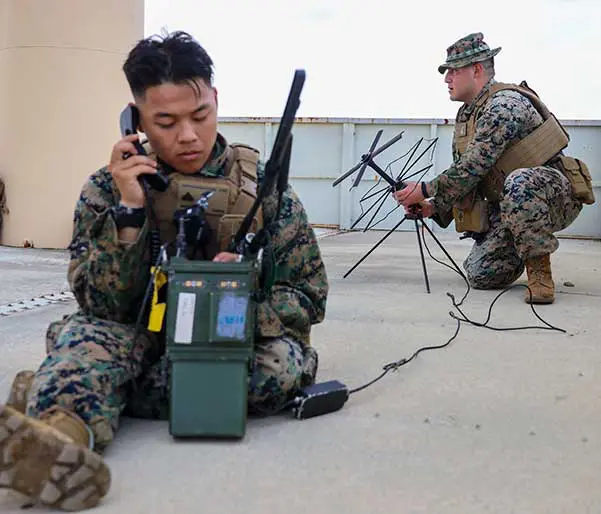
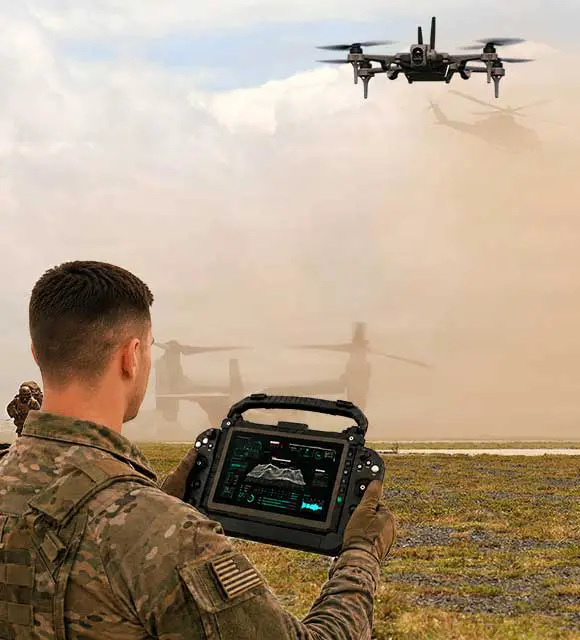
Navy data-at-rest protection is becoming increasingly important as more computing, sensors, artificial intelligence, and decision-making move to the tactical edge. From ships and submarines to unmanned vessels, aircraft, expeditionary systems, and distributed command-and-control environments, sensitive and classified information can reside on devices operating far beyond traditional data centers and shore installations.
For the Navy, protecting that information is a mission requirement, not simply an IT requirement. Systems operating at the maritime edge may be lost, abandoned, damaged but recoverable, or captured, while the information stored inside them remains intact.
This article explains where data at rest resides across naval systems, what information a recovered platform may expose, why the maritime environment creates distinct physical-capture risks, and how CSfC Data-at-Rest architecture can protect classified information on systems operating beyond traditional physical-security boundaries.
Data at rest is information stored on a physical device or storage media rather than information actively moving across a network.
Mission information transmitted between a ship and another platform is data in transit. Once that information is saved to an SSD, mission computer, tactical server, or other storage system, it becomes data at rest.
Across Navy missions, data at rest can reside on:
If a system retains information after power is removed, it can contain data at rest. In naval operations, that information may have significant operational and intelligence value.
A recovered Navy system does not need to contain thousands of classified documents to create a significant exposure. A single endpoint can retain mission, intelligence, network, system, and technical information with value beyond the device itself.
Depending on its mission, stored information could include:
Collectively, this information can provide insight into where naval forces have operated, what systems have detected, how platforms communicate, and how mission systems are configured or used.
The DAR challenge is growing because naval operations are placing more computing and more valuable information on distributed systems operating outside traditional shore facilities.
Distributed operations place sensors, weapons, computing, and decision-making across a larger number of platforms.
Distribution can improve operational resilience and create additional mission options, but it also increases the number of physical endpoints that may retain valuable information.
Programs therefore need to consider not only how information moves between distributed platforms, but also what remains stored on each platform.
Naval operations cannot always depend on continuous high-bandwidth connectivity. Ships, aircraft, sensors, expeditionary systems, and unmanned platforms may need to process information locally when communications are degraded or denied.
Local processing also creates local storage.
Information that might otherwise reside in centralized infrastructure can therefore remain on equipment operating in contested environments and outside traditional physical-security boundaries.
AI increases both the capability and the potential intelligence value of edge systems.
AI-enabled platforms can retain trained models, algorithms, sensor information, acoustic information, mission datasets, and other data used to process information and support local decisions.
A recovered system may therefore expose not only mission information, but also technical information associated with how the platform processes or interprets its environment.
The growing use of unmanned systems creates an important DAR consideration for naval programs.
An unmanned surface vessel may be disabled or captured. An unmanned undersea vehicle may fail and later be recovered. An unmanned aircraft may be lost in territory where friendly recovery is not possible.
Whether a platform is remotely controlled, semi-autonomous, or fully autonomous is not the defining DAR issue.
If the system stores classified information and can leave authorized physical control, programs need to determine what protects that information.
The maritime environment creates recovery scenarios that security architects should consider when evaluating data at rest.
Equipment lost at sea should not automatically be assumed to be destroyed or inaccessible.
A disabled surface vessel can potentially be boarded or towed. An unmanned system can wash ashore. Aircraft wreckage can be recovered. Undersea equipment can potentially be located and raised. Storage components can also survive damage that leaves the larger platform unusable.
For security planning, damaged should not automatically mean destroyed, and submerged should not automatically mean inaccessible.
The architecture should therefore account for circumstances in which a platform or component is recovered by an unauthorized party after friendly forces have lost control of it.
Physical capture creates a different security problem from unauthorized network access. An unauthorized party may possess the endpoint, storage, processors, firmware, operating environment, and other components.
A recovered Navy mission computer, unmanned vessel, sensor, aircraft component, or tactical system can potentially be disassembled outside friendly control.
Storage may be removed. Components may be connected to forensic tools. Hardware and firmware interfaces may be examined. Comparable systems may be obtained for experimentation.
The question therefore changes from whether an unauthorized party can penetrate the network to whether information can be recovered when the physical equipment is available for examination.
That is the threat scenario DAR protection is designed to address.
Commercial encryption can provide an important security function, but encryption alone does not constitute a complete classified DAR architecture.
A system may use AES-256 or cryptographic functionality validated under applicable standards while still requiring additional controls around authentication, cryptographic keys, startup behavior, implementation, and independent protection layers.
Programs should consider questions including:
The important question is therefore broader than the strength of the encryption algorithm. Programs need to determine what security mechanisms must be satisfied before classified information becomes accessible.
FIPS validation provides assurance that specified cryptographic functionality has been tested against defined requirements. It applies to the cryptographic module rather than establishing that an entire endpoint implements the architecture required to protect classified data at rest.
That distinction matters for naval systems.
A system can contain FIPS-validated cryptography while still requiring additional controls around authentication, key protection, boot behavior, configuration, and independent layers of protection.
For classified National Security Systems, programs should evaluate the complete DAR architecture rather than treating FIPS validation as a complete security outcome.
National Security Presidential Memorandum 12, National Policy for the Cybersecurity of National Security Systems, was issued June 12, 2026. The memorandum establishes cybersecurity governance for National Security Systems and reestablishes the Director of the National Security Agency as the National Manager for NSS.
NSPM-12 assigns the National Manager responsibilities that include providing authoritative minimum requirements for cryptology and cryptographic systems and supporting the development and evaluation of security techniques, systems, products, solutions, and equipment for NSS.
For Navy organizations developing, acquiring, or operating National Security Systems, this provides important context for classified DAR.
Protecting classified information is not simply a matter of selecting a commercially available encrypted drive or enabling a general-purpose encryption feature. The architecture needs to be evaluated against applicable requirements for the system and information being protected.
NSA’s Commercial Solutions for Classified program provides Capability Packages for using commercial technologies within defined architectures to protect classified information.
The current CSfC Data-at-Rest Capability Package is v5.1.0, dated March 2026.
For applicable Cigent CSfC DAR architectures, the two protection layers are:
The encrypted drive and pre-boot authentication constitute one layer. PBA controls access to the encrypted drive and should not be counted as a separate third layer.
The purpose of the architecture is defense in depth. Protection of classified information does not depend entirely on a single encryption mechanism.
Authentication determines whether the conditions required to access protected storage have been satisfied. Encryption and authentication therefore need to be evaluated together.
For the hardware protection layer, the encrypted drive can be viewed as the safe and pre-boot authentication as the lock controlling access to it.
A storage device may use strong encryption while still requiring appropriate controls over when the drive is allowed to unlock and how authorized access is established.
This becomes particularly important when the system may leave authorized physical control. Programs should determine what authentication remains effective when the endpoint is disconnected from friendly infrastructure or physically possessed by another party.
Cryptographic keys are critical assets within an encrypted storage architecture. Protecting the encryption algorithm while inadequately protecting the associated keys can undermine the intended security outcome.
DAR architecture therefore needs to account for key generation, storage, protection, release, and authorization.
This is especially important in a physical-capture scenario because an unauthorized party may have the complete device and significant time to examine its storage, hardware, firmware, and startup environment.
Programs should evaluate how key protection functions under the conditions in which the endpoint may actually operate or be recovered.
DAR protection needs to remain effective on the physical endpoint because a captured naval system may be disconnected from friendly networks when its information is most exposed.
A recovered UUV, USV, aircraft component, expeditionary server, mission computer, or other tactical system may have no connection to enterprise services.
Remote management may be unavailable. Communications may be degraded or denied. Network-based identity and security services may not be reachable.
The controls protecting classified information therefore need to remain effective according to the applicable architecture even when the endpoint is operating offline or has left authorized physical control.
DAR requirements should follow classified information wherever it resides rather than applying only to the primary platform.
A naval mission can involve data moving among ships, aircraft, unmanned platforms, command-and-control systems, expeditionary servers, maintenance devices, mission-planning systems, sensors, and removable storage.
If a primary platform is protected but supporting equipment retains the same classified information without equivalent protection, the exposure has moved rather than disappeared.
Programs should identify where classified information is created, processed, stored, copied, maintained, and retained throughout the mission and system lifecycle.
Navy programs developing or acquiring National Security Systems should evaluate DAR based on the information stored by the system, the operational environment, and the consequences of losing physical control of the endpoint.
Relevant questions include:
These should be architecture, design, and acquisition questions rather than issues first addressed after a system has already been fielded.
| Design Question | What the Program Should Determine |
|---|---|
| Stored information | What sensitive or classified information will reside on the system? |
| Physical storage | Which drives, modules, or other media retain the information? |
| Recovery scenario | What happens if the platform is lost, damaged, submerged, or recovered by an unauthorized party? |
| Authentication | What must occur before encrypted storage becomes accessible? |
| Encryption layers | Are the required independent DAR protection layers correctly implemented? |
| Key protection | How are cryptographic keys generated, stored, protected, and authorized? |
| Disconnected operation | Does protection remain effective without network or enterprise services? |
| Supporting systems | Where else in the naval ecosystem does the same classified information reside? |
| Component status | Are applicable components listed for their intended CSfC roles? |
| Lifecycle | Are DAR requirements addressed through design, acquisition, integration, fielding, maintenance, and sustainment? |
National Security Presidential Memorandum 12, issued June 12, 2026, establishes cybersecurity governance for National Security Systems and reestablishes the Director of NSA as the National Manager for NSS.
NSPM-12 gives the National Manager responsibilities that include providing authoritative minimum requirements for cryptology and cryptographic systems and supporting standards, techniques, systems, products, solutions, and equipment related to NSS cybersecurity.
NSA currently publishes the CSfC Data-at-Rest Capability Package v5.1.0, dated March 2026. The Capability Package provides solution designs and requirements for protecting classified data at rest using commercial technologies.
Programs should verify the current Capability Package, applicable requirements, and component status against NSA’s live public resources during architecture and procurement decisions.
Distributed maritime operations, edge computing, AI, unmanned systems, sensors, and advanced mission systems are placing more valuable information aboard platforms operating beyond traditional physical-security boundaries.
The resulting security requirement is straightforward. If continued physical possession of every device cannot be guaranteed, programs need an architecture that protects classified information when the device itself leaves authorized control. Commercial encryption and FIPS-validated cryptography can be important components, but classified DAR requires evaluation of the complete protection architecture.
For Navy programs evaluating classified data-at-rest requirements across maritime and tactical systems, take the CSfC DAR Readiness Assessment to identify architecture considerations and areas that may require further review.
Take the CSfC DAR Readiness Assessment
Navy data-at-rest protection addresses information stored on physical devices and storage media across ships, submarines, aircraft, unmanned systems, tactical computers, servers, sensors, and other mission systems. Its purpose is to protect stored information against unauthorized access, including circumstances in which the underlying system leaves authorized physical control.
Naval systems can retain operational plans, ISR products, radar and sonar information, acoustic data, targeting information, network configurations, electronic-warfare data, software, firmware, maintenance information, AI models, algorithms, and mission datasets. The specific information depends on the platform, mission, system architecture, classification, and storage configuration.
The maritime environment creates recovery scenarios in which equipment should not automatically be considered inaccessible after loss or damage. Disabled vessels can potentially be boarded or towed, unmanned systems may be recovered, aircraft wreckage can be examined, and storage components may survive damage that renders a larger platform unusable.
Encryption provides an important security function, but classified DAR requires evaluation of the complete architecture. Programs also need to address authentication, cryptographic key protection, startup behavior, configuration, and independent protection layers. Applicable NSA requirements determine how those functions should work together for the classified information being protected.
FIPS validation provides assurance that specified cryptographic functionality has been tested against defined requirements. It does not by itself establish that an entire device implements a complete classified DAR architecture. Programs should evaluate cryptography together with authentication, key protection, independent layers, system configuration, and the applicable requirements for the information.
NSPM-12, issued June 12, 2026, establishes cybersecurity governance for National Security Systems and reestablishes the Director of NSA as the National Manager for NSS. The memorandum assigns responsibilities involving cryptology, cryptographic systems, technical security requirements, and broader cybersecurity guidance applicable to organizations that own or operate National Security Systems.
CSfC DAR uses independent encryption layers. For applicable Cigent architectures, an encrypted drive with pre-boot authentication forms the hardware layer, while independent software full drive encryption provides the second layer. The encrypted drive and its pre-boot authentication together constitute one layer rather than two separate security layers.
Authentication determines when protected storage is permitted to become accessible. This matters when a system can leave authorized physical control because encryption alone does not answer what causes storage to unlock. Programs should evaluate authentication alongside encryption, cryptographic key protection, startup behavior, and the operating conditions under which access is permitted.
No. Naval data at rest can reside on aircraft, unmanned surface and undersea systems, expeditionary servers, mission-planning workstations, command-and-control systems, sensors, maintenance devices, portable computers, removable media, and other supporting equipment. Programs should identify where classified information resides throughout the mission and protect each applicable storage location.
Navy programs should address DAR during system architecture, design, and acquisition. Storage, authentication, compute, boot, and integration decisions can be established before authorization testing begins. Identifying requirements early allows programs to incorporate appropriate protection layers and components before major architecture decisions become difficult or costly to change.
Conner Crisafulli is a solutions engineer and cybersecurity professional at Cigent with a unique background bridging elite military operations and advanced data security. Before joining Cigent, Conner served six years as a U.S. Air Force Combat Controller, where he specialized in high-stakes mission planning, communication systems, and joint operations coordination/execution. Drawing from his experience in complex, contested environments, Conner now helps federal agencies and enterprise clients strengthen their data-at-rest protection strategies. At Cigent, he focuses on practical applications of self-encrypting drives (SEDs), pre-boot authentication (PBA), and various CSfC (commercial solutions for classified) technologies to safeguard sensitive data against evolving cyber threats.